


Sustainable Mining Strategy

Renewable Energy Integration & Emissions Reduction

Thoughtful Practices

Hybrid Microgrids: Reliable, Clean, Local Power

In remote or off-grid mining sites, hybrid microgrids—combining solar, wind, battery storage, and sometimes backup diesel or thermal generation—are emerging as a practical alternative to traditional fuel-based power solutions. These systems help maintain continuous energy supply, reduce dependence on diesel fuel, and significantly lower operational emissions. With intelligent energy management tools, microgrids dynamically shift between energy sources based on availability and demand, ensuring stability even when the utility grid is inaccessible.

Power Purchase Agreements: Cleaner Energy via Third-Party Deals

For mines with access to a national electricity grid, long-term Power Purchase Agreements (PPAs) are an effective strategy to reduce Scope 2 emissions. These contracts allow mines to buy renewable-generated electricity—often at fixed rates—without the upfront cost of building onsite infrastructure. PPAs also offer price stability and help meet investor and regulatory expectations for sustainability.

Explore

Tangible Benefits for Mining Operations

Energy Security

Systems are designed to continue operating even during external power disruptions.

Cost Reduction

By minimizing fuel logistics and usage, mines reduce both operational costs and carbon footprint.

Community & Environmental Alignment

Cleaner energy usage improves stakeholder relations, regulatory standing, and environmental outcomes—critical in growing markets for sustainable minerals.

Enhanced Operational Efficiency

  • Reduced Fuel Logistics: By decreasing reliance on diesel, mines can streamline fuel supply chains, reducing transportation costs and logistical complexities.
  • Improved Power Quality: Renewable energy systems can provide more stable and consistent power, reducing equipment wear and enhancing overall operational efficiency.

Regulatory Compliance and ESG Performance

Meeting Regulatory Standards: Adopting renewable energy solutions can help mining operations comply with local and international environmental regulations.

Improved ESG Ratings: Investors and stakeholders increasingly favor companies with strong Environmental, Social, and Governance (ESG) performance, which can be bolstered by renewable energy initiatives.

Technological Innovation and Knowledge Transfer

Adoption of Advanced Technologies: Implementing renewable energy solutions encourages the adoption of cutting-edge technologies, promoting innovation within the mining sector.

Capacity Building: Training local personnel in renewable energy technologies facilitates knowledge transfer and skill development, empowering communities and enhancing workforce capabilities.

Integrating renewable energy and emissions reduction strategies into mining operations brings numerous tangible benefits that enhance both efficiency and sustainability.

Hybrid power systems combining solar, wind, and battery storage provide reliable, continuous energy, particularly crucial in remote or off-grid locations where traditional power supply can be unstable. This reduces operational downtime and lowers risks related to energy interruptions. Additionally, reducing reliance on diesel and fossil fuels leads to significant cost savings by cutting fuel procurement, transportation, and maintenance expenses.

Environmentally, these strategies help mining companies reduce greenhouse gas emissions, ensuring compliance with increasingly strict regulations and minimizing ecological impact. Cleaner energy use also fosters stronger relationships with local communities, regulators, and investors, reinforcing social license to operate. Furthermore, renewable energy projects create local employment opportunities, contributing to economic growth and community development. Collectively, these benefits position mining operations for long-term resilience, profitability, and responsible stewardship aligned with global sustainability goals.

projects

Gebeit Mine (Red Sea Hills)

One of the oldest gold mining sites in the Red Sea Hills, known for historical quartz-vein extraction dating back centuries.
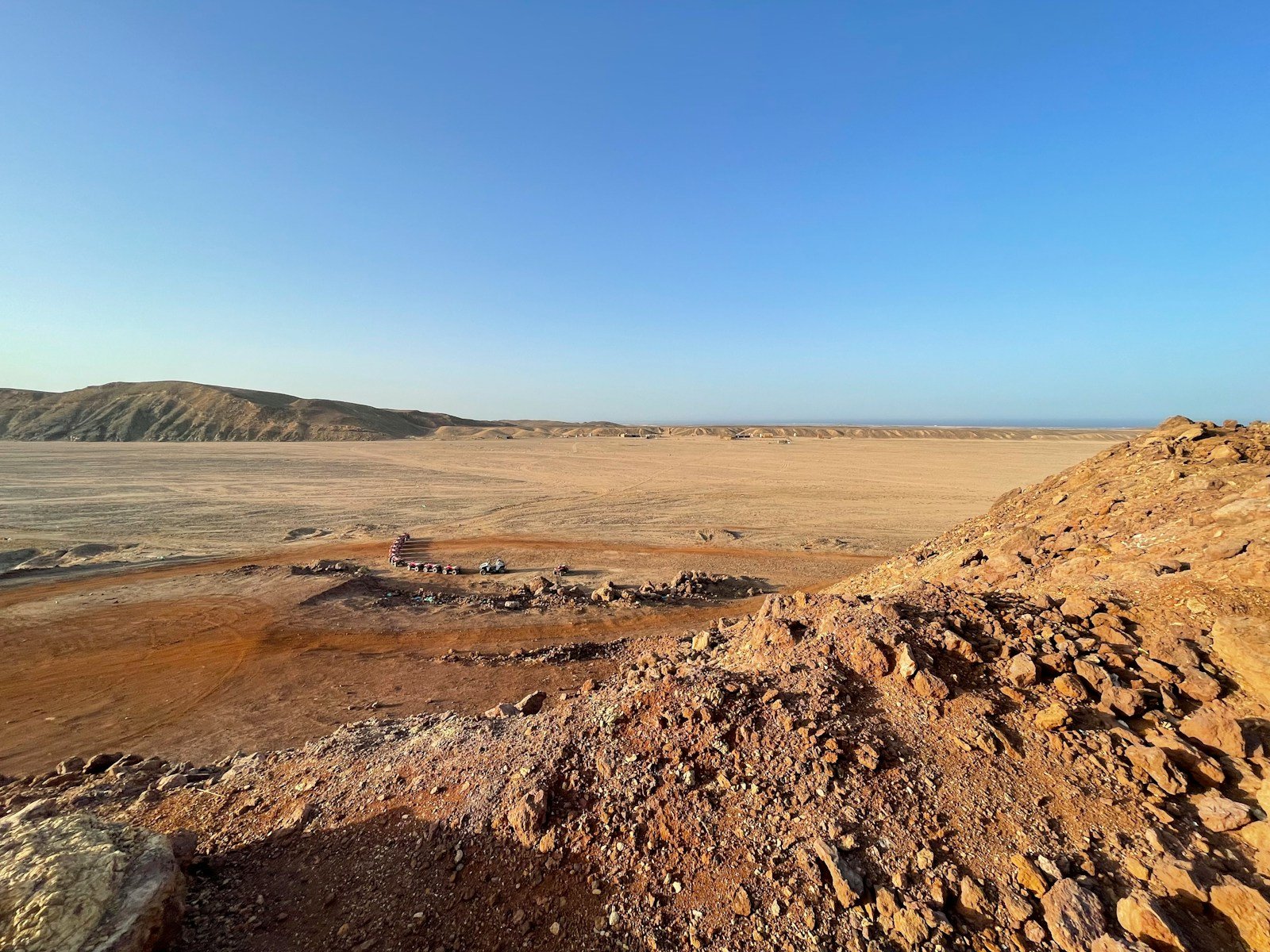
a desert landscape with hills

Block 12 – Nakasib Suture Zone (northwest of Port Sudan)

A highly prospective concession (about 1,100 km²) currently held by Pan African Resources, located in a geologically rewarding area connected to Hassai
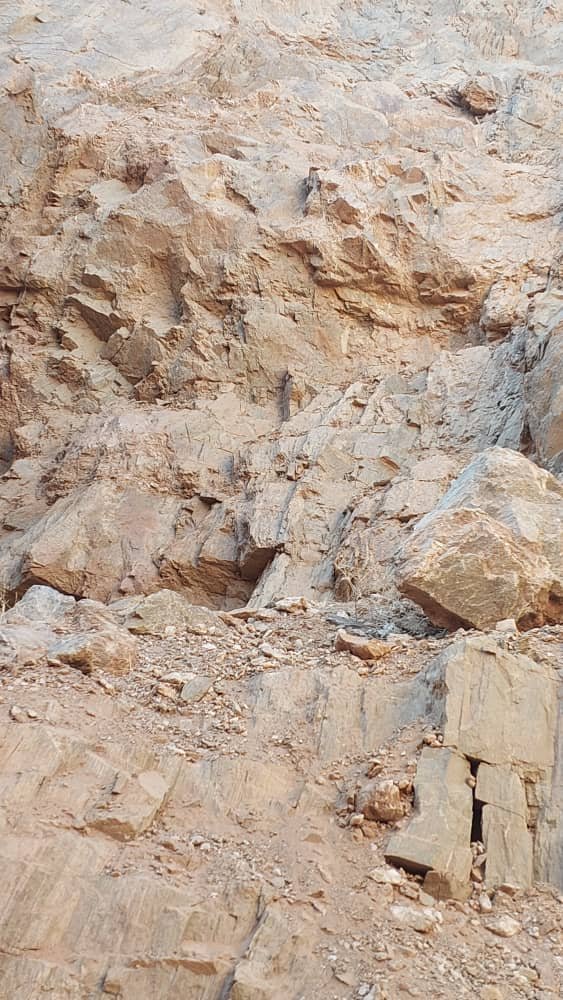
Saras & Abu Sari Deposits (Northern Nubian Desert)

Traditional gold deposits in Northern State, known for historic shaft mining and orogenic vein systems between Wadi Halfa and Dongola.

Get In Touch

Contact Form Demo

Contact Address:

If you face any type of problem, reach out to our support team anytime from anywhere.